


 Casinos
 Bonuses


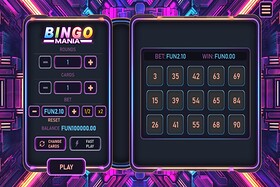
Bingo Mania by Urgent Games
Bet limits: $0.1 - $500
Balance: $100,000


The virtual bingo halls never close, and neither does your chance to perfect your game. Our bingo simulator delivers the authentic experience of live bingo rooms minus the buy-in pressure.
Test different card strategies, learn pattern recognition, and discover which bingo variants match your playing style. Below you'll find a collection of simulators and insider knowledge from years of both online and bingo hall experience.
 Reset Credits
 Full Screen
 Close Full Screen
Bet limits: $0.1 - $500
Balance: $100,000
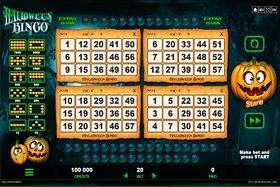
Bet limits: $20 - $2,000
Balance: $100,000
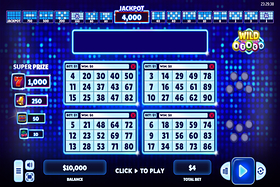
Bet limits: $4 - $800
Balance: $10,000
Bet limits: $0.04 - $280
Balance: $10,000
Bet limits: $0.2 - $100
Balance: $10,000
Bet limits: $0.04 - $40
Balance: $10,000
Bet limits: $0.08 - $30
Balance: $5,000
Bet limits: $4 - $400
Balance: $2,000
Bet limits: $0.2 - $100
Balance: $1,000
Bet limits: $1 - $10
Balance: $1,000
Playing smart bingo starts with understanding the tools - and this simulator packs more features than most players realize.
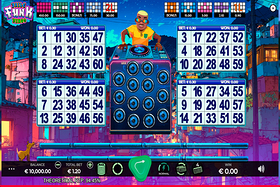
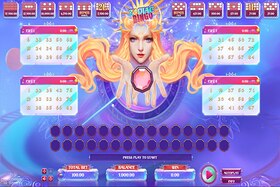
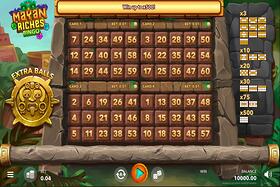
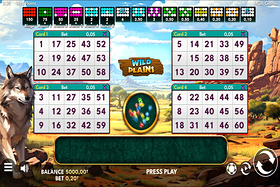
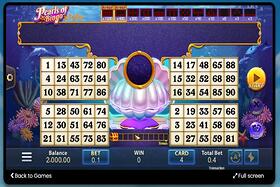
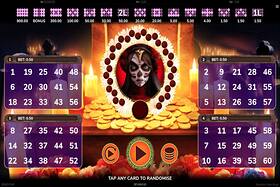
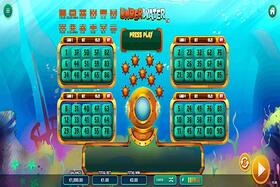
The interface mirrors exactly what you'll see in real money rooms. Numbers appear in the traditional display, your cards update in real-time, and pattern requirements show clearly above each card.
Pro tip
As recommended by our experts in the guide on winning at bingo, you should ideally start with 2 cards maximum. Most newcomers grab 6 cards thinking more equals better odds, but they end up missing numbers and patterns. Master 2 cards first. Your win rate will actually improve.
I discovered the statistics panel's value accidentally. After claiming a bingo deal, I noticed during a 90-ball session that I was consistently one number away from winning when 45-50 balls had been called. This pattern revealed I was playing too conservatively with card selection - a mistake that would've cost real money.
The difference between casual and strategic bingo players shows up in their bankroll after 100 games.
Real bingo rooms don't pause. Numbers fire rapidly, patterns shift between games, and you manage multiple cards while tracking called numbers. The simulator lets you practice at quarter speed until these actions become automatic.
My turning point came after 200 simulator sessions. Bingo patterns I previously missed - like the "postage stamp" or "layer cake" - suddenly jumped off the cards. This visual training translates directly to faster recognition and fewer missed wins.
Here's what simulator practice teaches:
Important
The simulator reveals your true card limit. Some players handle 6 cards flawlessly, others excel with 3. There's no universal answer, but finding yours prevents overwhelming financial situations.
Each bingo type plays differently:
Testing these variants with real money averages $50-100 in learning costs. The simulator provides unlimited attempts to find your preference.
Forget the stereotype of bingo as pure luck - mathematics and strategy influence your results more than most players realize.
In 75-ball bingo with 24 numbers on your card (excluding free space):
Strategic Insight
The "tipping point" occurs around ball 38-42 in 75-ball games. This is when single-line winners typically emerge. Knowing this helps you gauge whether your cards are running hot or cold compared to statistical averages.
Not all bingo cards are the same. The Granville Theory suggests choosing cards with:
Example Card Analysis:
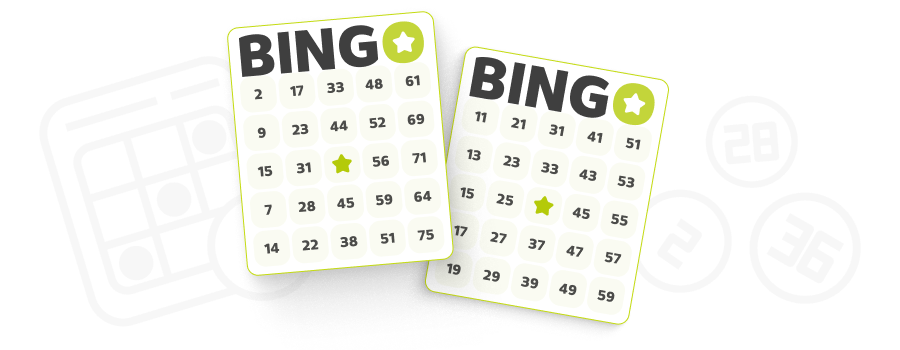
Strong Card:
2, 17, 33, 48, 61,
9, 23, 44, 52, 69,
15, 31, FREE, 56, 71,
7, 28, 45, 59, 64,
14, 22, 38, 51, 75
Weak Card:
11, 21, 31, 41, 51,
13, 23, 33, 43, 53,
15, 25, FREE, 45, 55,
17, 27, 37, 47, 57,
19, 29, 39, 49, 59
The second card clusters numbers terribly - all odd, with similar endings and a narrow range. Avoid these configurations.
Once you’ve learned the basics of how to play Bingo, it’s time to explore the more complex strategies:
When playing multiple cards:
Recommendation
Use the simulator to test 100 games with random cards versus 100 games with strategic selection. The difference typically shows 15-20% more wins with thoughtful card choice.
Professional bingo players structure their sessions:
Warm-up Phase (10 minutes)
Peak Performance (30-40 minutes)
Cool-down Phase (10 minutes)
Be aware
Mental fatigue hits harder in bingo than in most casino games. Missing one number can cost an entire game. The simulator helps identify your personal concentration limits.
Beyond basic lines and full house wins, modern bingo features dozens of patterns that change your entire approach.
The simulator's pattern preview becomes invaluable here. I spent months playing without realizing "crazy kite" patterns existed - that's money left on the table. Now I recognize 30+ patterns instantly, and you will too after dedicated practice.
30-ball speed bingo operates differently from traditional formats:
Example session: In 100 speed games, players using practiced visual patterns average 12% more wins than those manually searching. The difference? Muscle memory developed through simulator training.
Personal discovery
After tracking 1,000 simulator games, I noticed my win rate jumped 30% when playing between 2-4 PM. Turns out, this matched my natural alertness peak. The simulator revealed this pattern cost-free - imagine discovering it through real-money play.




I have always wondered if that was necessary to do because people are always commenting that I dont ever change mine. Its suppose to be important but I just don't ever pay it any mind.




looking for more information on this game for my grandmother.




it is really as long as it is in movies?

















 Level 5


